
Opinion

Rúben Amorim’s tumultuous stint as head coach of Manchester United has come to a close following a sharp criticism of the club’s leadership. Strains between Amorim and key figures in the footballing hierarchy had grown increasingly evident in recent weeks, culminating in his fiery remarks during a post-match press conference after the draw with Leeds United on Sunday, leaving his position untenable. While United’s official statement claimed the decision was made to secure the “best opportunity for a high Premier League finish,” the primary reason lay in the deteriorating relationship between Amorim and the club’s senior officials.
Importantly, United remains on track to meet its goal of securing a spot in European competition. Had results been the sole factor in the decision, Amorim would have been dismissed at the end of the previous season. Fans have undoubtedly noted the irony of his all-out assault on the board, particularly given the discontent over his overly cautious tactics. Although he was hailed as one of the rising stars in management after his tenure at Sporting CP, predominantly optimistic about his arrival, Amorim’s time at United will ultimately be viewed as a disappointment. The pressure is now on INEOS to ensure they avoid making another misstep.
The Reasons Behind Rúben Amorim’s Departure
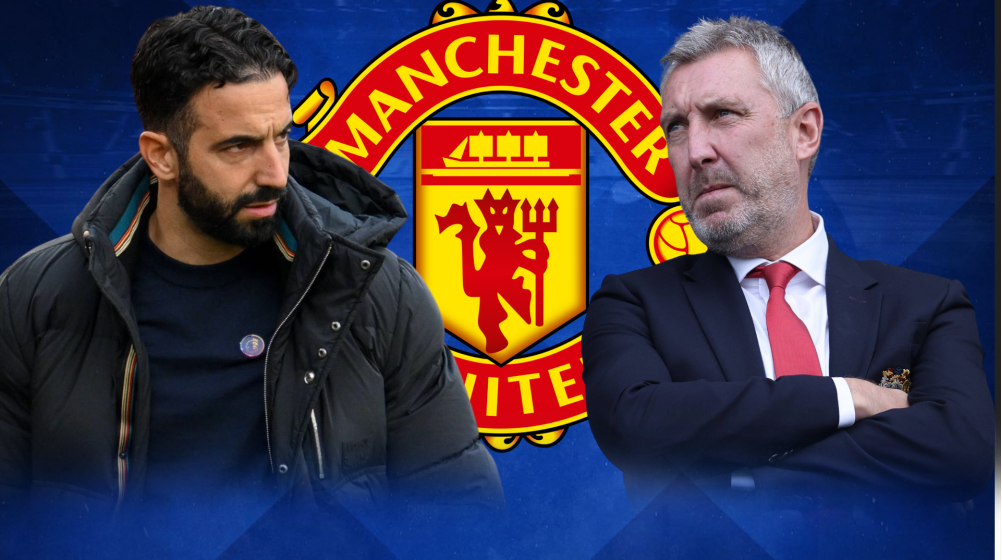
In a heated outburst following the 1-1 stalemate with Leeds, Amorim declared, “I’m going to quit. I will continue my duties until my successor arrives.” He expressed frustration, stating, “I came here to be the manager of Manchester United, not merely the coach.” His remarks underscored the growing rift between himself and United’s director of football, Jason Wilcox. According to reports, a recent meeting aimed at assessing performance spiraled into a confrontation, particularly over Amorim’s much-maligned 3-4-3 formation, with him feeling that Wilcox was encroaching on his role as head coach.
Amorim specifically mentioned Wilcox, illustrating his frustration with the perceived interference. He essentially urged the football department to focus on their tasks while he continued coaching, but his lack of leverage prevented him from making such demands confidently. Equally, Wilcox shares some blame and deserves scrutiny; although he tends to avoid the public eye, he chose to speak on a club podcast following a stretch of good results, which included Amorim being named the Premier League’s Manager of the Month for October. Furthermore, Amorim reportedly had a difference of opinion with the increasingly influential Christopher Vivell, who initially joined part-time before taking a full-time role, and was instrumental in signing players like Benjamin Sesko and Senne Lammens, despite Amorim’s calls for more seasoned candidates.
Was It the Right Move to Dismiss Rúben Amorim?
Evaluating the decision objectively, Amorim recorded the poorest performance of any Manchester United manager in Premier League history. His win percentage of 31.9% stands in stark contrast to David Moyes’ 50%, marking him as the least successful during that era. With only 15 wins from 47 Premier League matches, his arrival in November 2024 has seen United accumulate a points total of 58, which would place them 14th among all top-flight clubs, behind teams like Fulham, Everton, and Bournemouth. Furthermore, last season’s 15th place finish was United’s worst ever in the Premier League, and their defeat against Tottenham in the Europa League final significantly hampered their summer spending. Although over €200m was still invested, Amorim’s grievances about insufficient funding in January must be weighed against this backdrop. He himself acknowledged the 2024/25 campaign as a significant failure, but several mitigating factors existed. The squad had been poorly assembled, with Erik ten Hag receiving a backing of €246m in the transfer window despite widespread doubts, leaving Amorim with the challenging task of rebuilding the club.
Amorim continually emphasized the importance of long-term development over immediate outcomes, indicating that “better days are ahead.” Despite some upsides this season, with United leading the league in chances created (238), shots (321), and ranking third in expected goals (38.38) and total goals (34), defensive issues became problematic. These concerns arose despite his preference for a five-defender setup, leading to criticisms of his tactical approach. While United has a realistic chance of meeting their objectives for European qualification, they have also squandered opportunities to rise into the top four recently against lesser teams, causing ongoing scrutiny of Amorim’s strategy.
The Challenges of Amorim’s Tactical Philosophy
Amorim’s tactical strategy faced the greatest criticism during his tenure. Despite significant backlash, he adhered to his preferred 3-4-3 formation, famously quipping that “not even the Pope could make me change.” While team structures often adapt during play, it was evident that he shifted to a back four in the weeks leading up to his dismissal. United appeared potent using this configuration, achieving a thrilling 4-4 draw against Bournemouth and a notable victory over Newcastle. However, reverting to a back five against Wolves, perceived as one of the weakest teams in Premier League history, proved counterproductive and drew severe scrutiny from figures like Gary Neville, whom Amorim later publicly challenged.
Despite Amorim’s struggles, he remains a talented manager who will likely attract new opportunities. While he departs from the immense pressure associated with managing Manchester United, the responsibility for the club’s decisions now weighs heavily on the boardroom officials at Old Trafford.