
<div>
    <p>Announcement Details</p>

    <div>
        <p>
            <img
                alt="Starting in 2027 - Major League Soccer to align calendar with the world's top football leagues"
                src="https://tmssl.akamaized.net//images/foto/galerie/don-garber-sotl-1551628576-20796.jpg"
                title="Starting in 2027 - Major League Soccer to align calendar with the world's top football leagues"
            />
        </p>
        <p><span>©Major League Soccer</span></p>
    </div>

    <p>Beginning in 2027, Major League Soccer (MLS) will revise its competition calendar to align with the leading football leagues globally. The league will transition from a spring-to-fall schedule to a summer-to-spring format, similar to that followed by top European leagues. While the specifics are being finalized in collaboration with the Major League Soccer Players Association, the league shared several key decisions in a press release on Thursday.</p>

    <p>The 2027/28 MLS regular season is slated to commence in mid-to-late July 2027 and will wrap up with the MLS Cup Playoff final in late May 2028. This new structure will include a winter break from mid-December to early February, as many regions in the United States and Canada face severe winter weather; thus, no matches will be scheduled in January. League officials have passionately debated the challenges associated with this calendar change. Notably, Toronto FC issued a statement as part of this announcement, acknowledging the impact on northern teams:</p>

    <p>“After nearly two years of thoughtful discussion, the proposed adjustments to the MLS competition calendar clearly demonstrate that aligning with the world’s top leagues will enhance MLS’s performance on the field and support the league’s ongoing growth,” stated TFC. “We acknowledge the weather-related challenges faced by many northern teams, but we believe the efforts made to address these concerns will be a top priority for the entire league. With over 90% of the proposed MLS schedule remaining consistent with its current structure, we believe the benefits for the league's future far outweigh potential challenges.”</p>

    <h2>Calendar Transition: Mini Season Planned for Spring 2027</h2>

    <p>How will the switch from a spring-to-fall to a summer-to-spring calendar play out? To facilitate this transition, MLS will conduct a special season from February to May 2027, featuring a 14-game regular season along with the MLS Cup Playoffs. The outcomes of this season will influence which teams participate in the US Open Cup, Canadian Championship, Leagues Cup, and Concacaf Champions Cup.</p>

    <p>What will the new league format entail? Although still under discussion with the MLSPA, reports from The Athletic suggest a move to a single-table system divided into five geographical divisions. Teams will compete in home-and-away matches against their divisional rivals and once against teams from other divisions.</p>

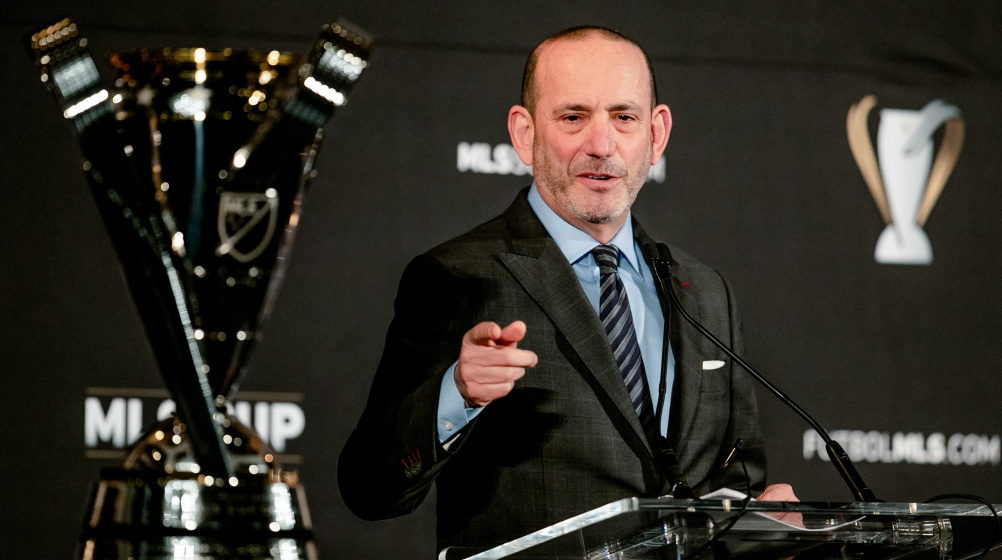
    <p>Why is MLS implementing this calendar change? “This calendar shift represents one of the most significant decisions in our history,” stated MLS Commissioner Don Garber after the board of governors approved the change during a meeting in Palm Beach, Florida. “Aligning our schedule with the world's premier leagues will enhance our clubs' competitiveness on the global stage, improve opportunities in the transfer market, and ensure our Audi MLS Cup Playoffs remain prominent without interruptions. This marks the dawn of a new era for our league and soccer throughout North America.” Aligning with transfer windows of top global leagues appears to be a key factor, as the league aims to attract more top talent during the summer transfer window.</p>

    <h2>Avoiding Winter Matches: Aligning MLS Cup with Major Competitions</h2>

    <p>Additionally, this schedule adjustment will allow the league to better align with the international match calendar and its significance on the global stage. More importantly, it ensures that the playoffs coincide with major knockout matches occurring in Europe. With all major cup finals in Europe typically held in May, the MLS Cup final will follow suit. This shift will help avoid situations where the league’s most significant match, the MLS Cup final, takes place in unfriendly winter conditions, as seen in previous years when Toronto hosted the final in 2016 and 2017, and Columbus in 2020 and 2023. Although winter matches will still exist, the likelihood of hosting the crucial season finale under ideal conditions will significantly improve.</p>
</div>